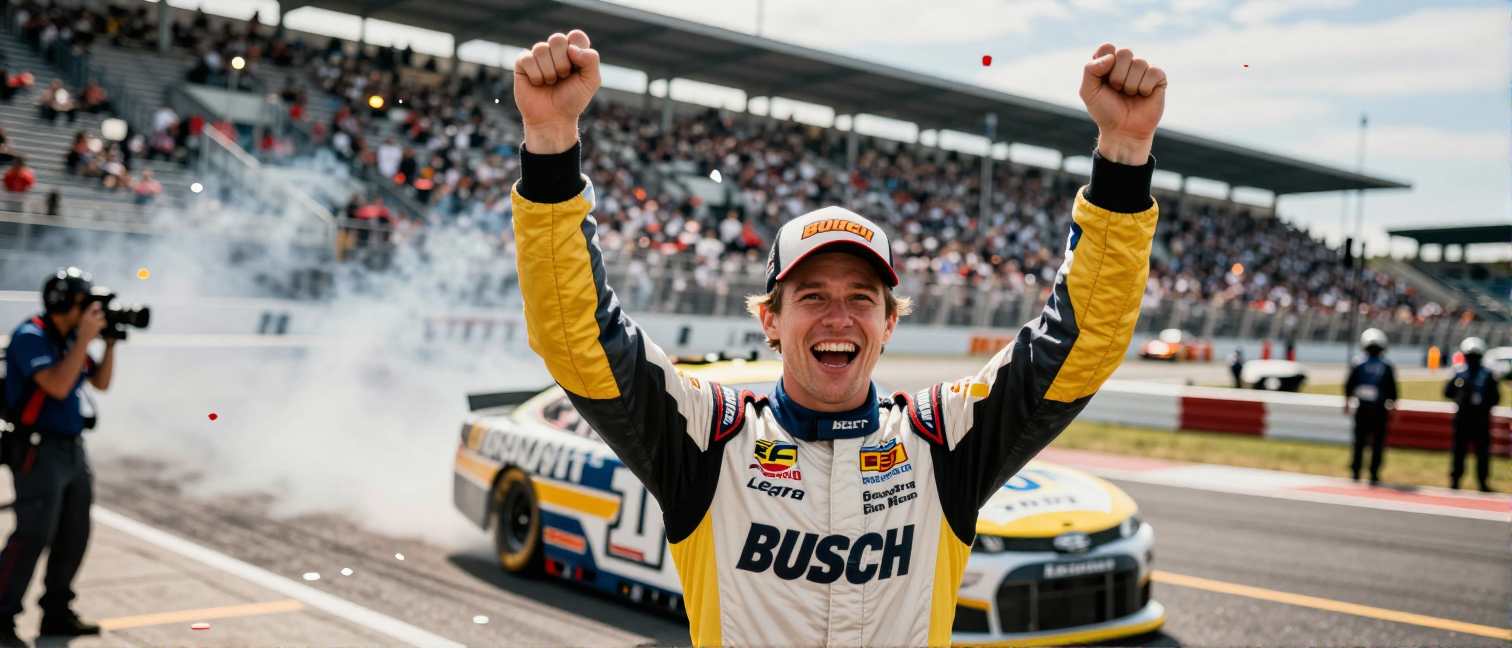
Kurt Busch earned a podium finish at the NASCAR Classic Race #2 in Le Mans on Saturday, while Andrew Jordan captured the victory, underscoring Busch's continued competitiveness on the European road‑course.
What happened?
The Le Mans event featured a packed field of seasoned stock‑car drivers. Andrew Jordan surged ahead in the final laps, crossing the line first to claim the win. Kurt Busch trailed closely, securing second place and adding another podium to his résumé. The race unfolded over 150 laps on the iconic Circuit de la Sarthe, with pit strategy and tire management playing decisive roles.
How did Kurt Busch perform?
Busch demonstrated his road‑course chops, navigating the tight chicanes and high‑speed straights with precision. He posted consistent lap times, staying within a second of the leader for most of the stint. A well‑timed pit stop on lap 78 allowed him to change to fresh tires, gaining the grip needed to challenge the frontrunner in the closing stages. His car, a Chevrolet Camaro, handled the demanding layout without major issues, reflecting the team's solid preparation.
Why does the podium matter for Busch?
Finishing on the podium at a prestigious venue like Le Mans adds valuable points to Busch’s season tally and boosts his visibility in the international NASCAR circuit. The result also signals his adaptability, as road‑course events differ markedly from the ovals where he traditionally excels. A strong showing here could influence future team decisions and sponsor interest, especially as manufacturers look for drivers who can perform across diverse track types.
What’s next for Kurt Busch?
Following the Le Mans classic, Busch will shift focus to the upcoming NASCAR Cup Series race at Watkins Glen, another road‑course challenge. His team plans to fine‑tune the Camaro’s suspension setup based on data gathered in France. Fans can expect Busch to carry the momentum from his podium finish into the next event, aiming for a top‑five result that would further cement his status among the series’ elite.
How did Andrew Jordan win?
Jordan’s victory stemmed from a flawless qualifying run that placed him on pole. He managed his tires conservatively early on, then pushed hard after the mid‑race green‑flag pit stops. A decisive pass on lap 132 secured his lead, and he held it to the checkered flag. His crew’s quick pit work—under 12 seconds—kept him ahead of the pack, illustrating the importance of teamwork in endurance‑style NASCAR events.
Who else stood out?
Several drivers made notable contributions. Ryan Blaney finished third after a late‑race charge, while Denny Hamlin battled through the field to end in the top ten. The event also featured a surprise strong run from rookie Ty Gibbs, who placed eighth, hinting at future contention.
How did the fans react?
Spectators lined the grandstands, cheering each overtaking maneuver. Social media buzz highlighted Busch’s podium as a “great comeback” moment, with fans praising his skill on a track traditionally dominated by European racers. The atmosphere was electric, reflecting the growing global appeal of NASCAR’s road‑course ventures.
What does this mean for the season?
The Le Mans classic adds a layer of intrigue to the championship narrative. Busch’s podium injects fresh points into the standings, tightening the battle for the top spots. As teams head into the summer stretch, performances on diverse circuits will likely dictate the final order, making each race a pivotal piece of the puzzle.